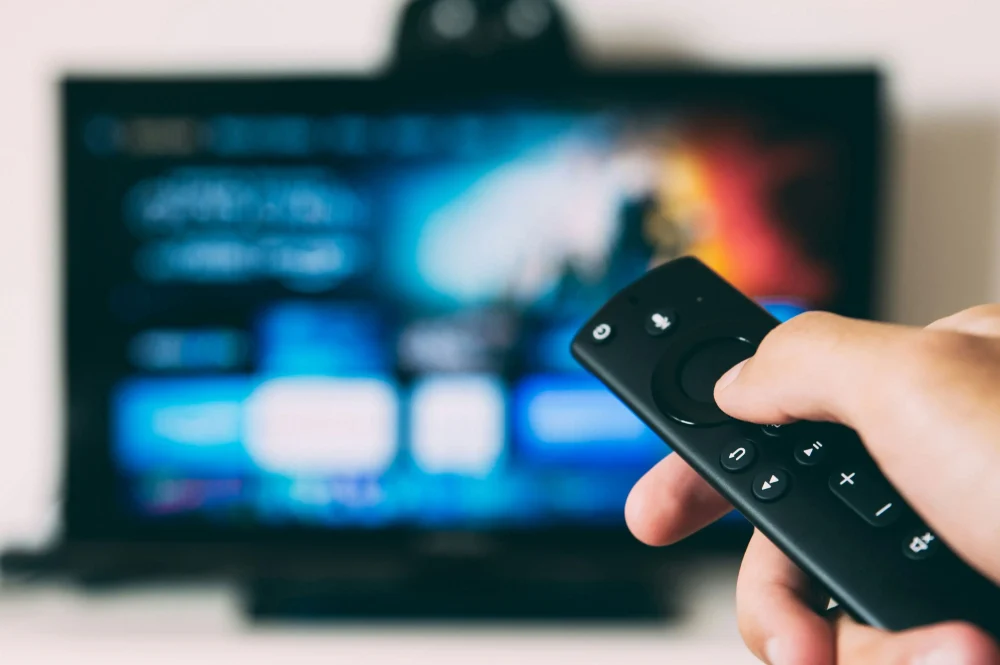
Ten years ago, a home service company with a strong television presence could build meaningful brand awareness with a relatively straightforward media plan. Homeowners watched live TV, listened to the radio on their commute, and noticed billboards on the way to the grocery store. The channels were predictable. The strategy, while not simple, was at least contained.
That is no longer the case — and the companies that are treating their media strategy the same way they did a decade ago are reaching a smaller and smaller portion of their market.
How homeowners actually consume media today
The shift has not been a replacement. Homeowners did not stop watching television — they added streaming. They did not abandon radio — they supplemented it with podcasts and music platforms. Social media did not eliminate outdoor advertising; it layered on top of it.
The result is a media landscape that is more fragmented than ever, which means any single channel reaches a smaller percentage of your potential customer base than it once did. A cable television buy that might have reached 70% of households in your market a decade ago might reach 40% today. That is not a reason to abandon television — it is a reason to surround it with the channels that reach the rest of your market.
The most effective home service brands have figured this out. They are not choosing between traditional and digital. They are building strategies that use both, intentionally, so that their brand shows up wherever their customers are spending time.
What an integrated strategy actually looks like
The principle is straightforward: traditional channels like broadcast television, cable, and radio deliver broad reach and frequency — the foundation of awareness. Digital channels like streaming (OTT), programmatic display, social media, and YouTube extend that reach into the environments where traditional media no longer follows.
In practice, this means a homeowner in your market might see your television commercial during the evening news, encounter your pre-roll ad while streaming a show on Hulu, and then see a social media post from your company the following morning. None of those impressions is redundant. Each one reinforces the others, building the kind of cumulative familiarity that makes your brand the natural first call.
The key word is integration. Running a television campaign and a separate digital campaign with different messages, different creative, and no shared strategy is not an integrated approach — it is two campaigns happening to run at the same time. A coordinated strategy aligns the message, the timing, and the audience targeting across every channel so that each impression builds on the last.
The role of market research in channel selection
Not every market is the same. Homeowners in a suburban Southeast market consume media differently than those in a Midwest urban core. The streaming penetration, the radio listening habits, the social media platforms in active use — all of these vary by geography and demographics.
This is why channel selection should never be based on general trends or what worked in a different market. It should be based on research specific to your service area: how your target homeowners actually spend their media time, where your competitors are and are not present, and where the gaps in share of voice represent genuine opportunity.
The right media mix for your company in your market is not a formula. It is a finding — and it starts with asking the right questions before committing a dollar of your budget.
Why this matters more now than ever
The fragmentation of media is not slowing down. Streaming will continue to grow. New digital platforms will emerge. The homeowners in your market will spread their attention across more channels, not fewer, in the years ahead.
Companies that build integrated media strategies now — ones that are designed to reach homeowners across their full media diet — are building a structural advantage that compounds over time. Every additional touchpoint where your brand shows up consistently makes the next one more effective.
Brand awareness is cumulative. The earlier you start building it across the right channels, the harder it becomes for competitors to displace you — regardless of what the media landscape looks like when they try.